Сатылым
Теңіздің жағасындағы пәтердің, жердің және коммерциялық жылжымайтын мүліктің қолайлы бағасы
The database holds 5 411 listings: 5 373 for sale and 38 to rent. The average price per square metre is $1 080. These figures refresh daily, so you can plan a budget against them.
The average across all listings is about $1 080 per square metre, and the spread is wide. Older stock away from the water is cheaper; new front-line buildings with a sea view cost considerably more. Three things move the price most: distance to the sea, the condition of the building, and whether the flat is finished. A shell-and-core unit can be a third cheaper than a finished one in the same block.
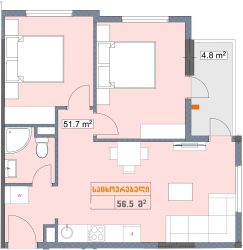
Most listings fall into the 30-60 мың доллар range — typically a one- or two-bedroom flat in a newer district, or a finished apartment bought to rent out. Below 30,000 dollars the market is effectively empty: those units are rare and usually need a full renovation. Above 100,000 you move into large front-line flats, penthouses and houses.
Most of the base is for sale (5 373 properties). Rentals are a smaller share (38), because owners in Batumi tend to sell or let short-term through management companies. If you need a long lease, work from the rental section and contact owners directly.
Batumi puts Soviet-era blocks, new residential complexes and apart-hotels on the same streets. The type of property decides both the price and how easily you can let or resell it later.
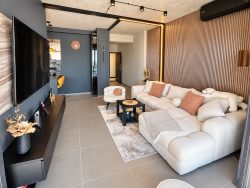
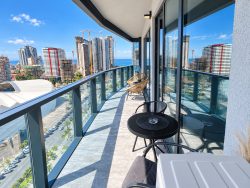
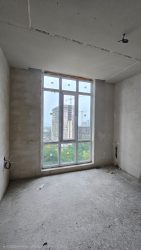
Flats account for 5 267 listings — almost the entire market. A sea view adds a clear premium, but it also lets better: tourists choose by photographs, and the view from the window decides it. Look past the view itself and check what can be built opposite — an empty plot by the shore can become another tower within a year.
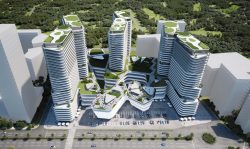
Apartments in complexes with a pool, security and an on-site management company are mostly bought to rent out. The upside is that you can hand the letting to the company instead of handling guests yourself. The downside is the monthly service charge, and the fact that in season you compete with dozens of near-identical flats in the same building.
There are 43 houses in the base. Buyers take them to live in or to run as a guest house: a plot, several bedrooms, the option of a separate entrance. Inside Batumi itself houses are few and expensive, so most of the supply sits in the suburbs along the road to Gonio and towards Chakvi.
Land trades one plot at a time (6 listings) and rarely reaches open sale. If you plan to build, three things matter: the designated use of the land, the utilities already connected, and the permitted building height. The last one matters most near the sea, where height is capped.
Commercial property means retail space, offices, hotels and light-industrial units. These are bought for an owner-run business or let to tenants on long leases. Yields are usually lower than short-term residential letting, but there is no seasonality and no changeover every week.
The same budget buys very different things depending on where you look: a studio by the water, or a two-bedroom flat ten minutes inland. Location-by-location figures are in Batumi districts, and you can also browse by street.
New Boulevard is the most active construction zone: towers, apart-hotels, the promenade next door. This is the most expensive and the most liquid property in the city, and the easiest to let in season. The trade-off is density — some windows face the neighbouring block rather than the sea.
The old town is low-rise: the piazza, restaurants, pedestrian streets. People buy here for the setting rather than for new finishes — the stock is old, layouts are irregular and there is often no lift. In exchange, the sea and the centre are a walk away, and tourists like these flats.
Makhinjauri (15 listings) is five minutes from Batumi, greener and quieter than the centre. Chakvi (41) sits further along the coast, with a wide beach and tea plantations on the slopes. Both are cheaper than the centre at a similar distance from the water, which is why they are bought both to live in and to let.
Gonio and Kvariati lie south of the city, towards the Turkish border: pebble beaches, clear water and a short but intense season. Property is cheaper than in town, but winters are quiet — some cafes and shops close until May. Good for short-term letting; living here year-round is a matter of taste.
Batumi runs on its season: demand is high from June to September and falls sharply in winter. Any yield calculation that multiplies the summer nightly rate by twelve months is wrong.
Short-term letting in season produces most of the annual income. A good flat with a view stays busy through the summer, drops off in October, and takes only occasional bookings from November to March. Run the numbers across the full year and include vacancy, cleaning, consumables and platform commission.
A long lease pays less but it is predictable and does not need you every week. Tenants are local families, relocated professionals and students. For this market the surrounding infrastructure — schools, shops, transport — matters more than a sea view.
Subtract everything from the gross: utilities, service charges, tax, repairs and appliance replacement, and a manager commission if you are not in the country. Worked examples and the logic behind them are in the investors section. If you plan to hand over management, look through the companies and developers active in the city.
Georgia is one of the simplest countries in which a non-resident can buy a home. A flat can be registered to a foreign national without a residence permit, a local company or any special approval.
A passport is enough for the transaction. Title is registered at the House of Justice, usually the same day — hours rather than weeks. You do not have to attend in person: the purchase can be completed under power of attorney if you are abroad.
There is no transfer tax when you buy residential property. Annual property tax depends on household income and is modest for most owners, and rental income is taxed at a reduced rate. Confirm the current figures before you sign: rules change, and the rate depends on how you register the income.
Buying property above a set value gives grounds to apply for a residence permit. It is not automatic — applications are assessed and can be refused. The conditions, thresholds and procedure are set out on the residence permit page.
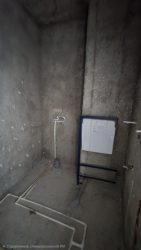
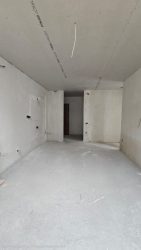
Batumi sells finished flats and square metres in buildings still going up at the same time. The price gap can reach a third — so can the difference in risk.
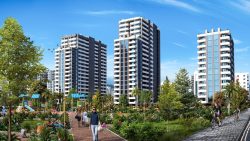
The base holds 74 developments under construction. Buying during construction is cheaper, but completion dates in Batumi often slip. Before signing, check the building permit, who the developer is and what they have already delivered in the city, how the contract is written, and what happens if the building is not finished on time.
A finished flat can be seen in full: the entrance, the neighbours, the actual view, the quality of the work. You can let it from next month rather than in two years. You pay more for that, but you carry no completion risk — for anyone buying to rent and wanting income now, that usually settles it.
We have worked the Batumi market since 2013 and keep the listing base in 13 languages. We deal both with owners and with buyers abroad.
Before a viewing we go through the title documents and confirm who the owner is. For buildings under construction we check the permit and the developer track record. It is not protection against everything, but most questionable listings drop out before you spend time on a visit.
We work through every step: a shortlist against your budget, viewings (over video if you are not in Batumi), document checks, registration at the House of Justice, connecting utilities, and finding a management company if the flat is bought to let. Questions and shortlists go through contacts; the full list of what we do is under services.